How We Started Teaching JavaScript
From frustration with existing options to building something better

In 2019, three developers working at different Toronto tech companies kept hearing the same story. Smart, motivated people wanted to break into tech. They'd tried online courses, bootcamps, or self-teaching. And they kept hitting walls.
The problems weren't with the learners. The problems were with how programming was being taught.
What Wasn't Working
Most courses fell into one of two categories. Either they were too theoretical—covering concepts without enough practical application—or they were too rushed, pushing students through material before fundamentals really stuck.
Large bootcamps packed 40+ students into cohorts, making individual attention impossible. Online courses left students isolated when they got stuck. And traditional computer science programs required four years and significant debt.
Somewhere between "watch this 10-minute YouTube tutorial" and "get a university degree" there had to be a better option.
Building a Better Model
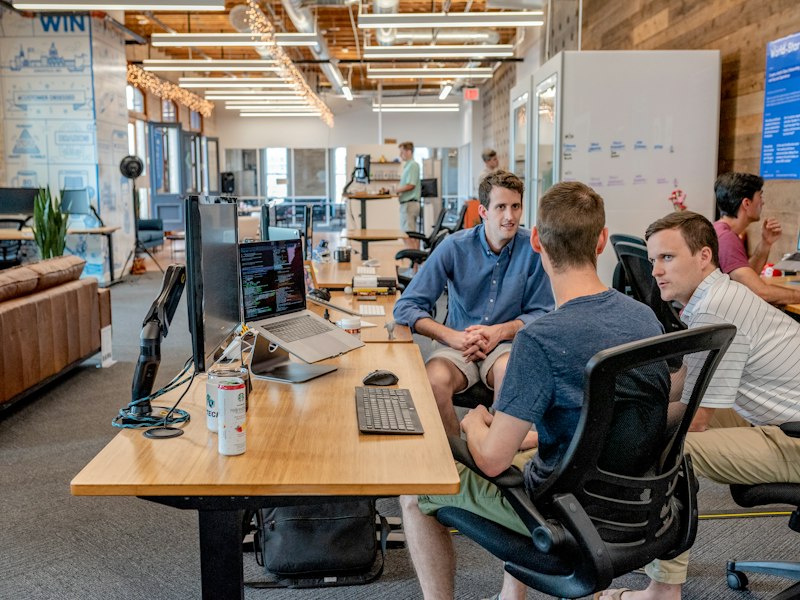
We started with a simple question: if we were teaching our own younger siblings to code, what would that look like?
Small groups where everyone gets attention. Real projects instead of contrived exercises. Instructors who actually work as developers, not just teachers reading from a script. Curriculum that evolves based on what students struggle with, not locked into rigid modules.
The first cohort had eight students. We ran it evenings and weekends while keeping our day jobs. By week four, we knew we were onto something. Students weren't just learning—they were genuinely excited about coding.
What Makes Our Approach Different
We don't believe in the sink-or-swim mentality that pervades tech education. Learning to code is challenging enough without artificial barriers.
Every program includes regular check-ins. If someone's falling behind, we catch it early and adjust. If someone's racing ahead, we give them advanced challenges. Education shouldn't be one-size-fits-all.
"Other programs felt like being thrown into the deep end. Here, they actually made sure I understood each concept before moving forward."— Lisa K., Ottawa
Our instructors are active developers. They bring real experiences from real projects. When they teach error handling, they share stories of production bugs they've debugged. When they cover testing, they explain how their teams actually use those tools.
Our Teaching Philosophy
Code is written for humans to read, and only incidentally for computers to execute. We teach students to write clear, maintainable code from day one—not clever tricks that impress no one but confuse everyone.
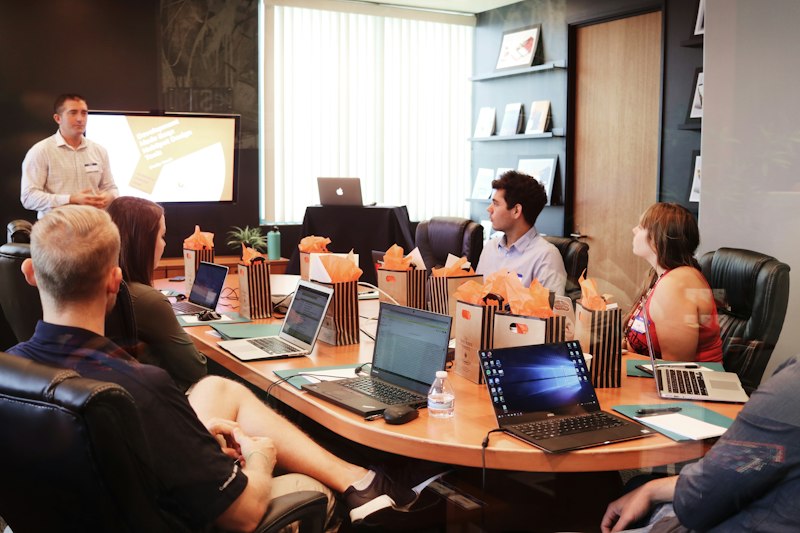
We emphasize understanding over memorization. Students learn why JavaScript works the way it does, not just how to copy-paste solutions from Stack Overflow.
Most importantly, we create an environment where questions are encouraged. The only bad question is the one you don't ask because you're afraid of looking foolish.
Who We Are Today
Since that first cohort, we've taught over 400 students. Some are now senior developers. Others are freelancing successfully. A few have started their own companies.
We're still a small team. That's intentional. Staying small lets us maintain quality and give every student genuine attention. We've turned down acquisition offers from larger bootcamp chains because we're not interested in scaling at the expense of outcomes.
Our instructors include Maya, who spent six years building e-commerce platforms at Shopify. Raj, who worked on AWS infrastructure before shifting to education. And Sarah, who led frontend development at a fintech startup before joining us full-time.
Why JavaScript
We chose to focus exclusively on JavaScript for a simple reason: it's the most versatile language for new developers.
With JavaScript, you can build websites, mobile apps, servers, desktop applications, and more. You're not locked into one type of development. Many of our graduates start with frontend work, then naturally expand into backend or mobile development—all while staying in the same language ecosystem.

Looking Forward
Technology changes constantly, but fundamentals remain stable. We update our curriculum regularly to reflect modern practices, but we don't chase every new framework or trend.
Our goal hasn't changed since day one: give people the skills and confidence they need to build a career in software development. Not just to pass an exam or finish a portfolio project, but to thrive in real development environments.
If you're considering learning JavaScript, we'd love to help you on that journey.